Beginner’s Guide to Growing Coreopsis: Long-Blooming Sunshine for Easy Gardens
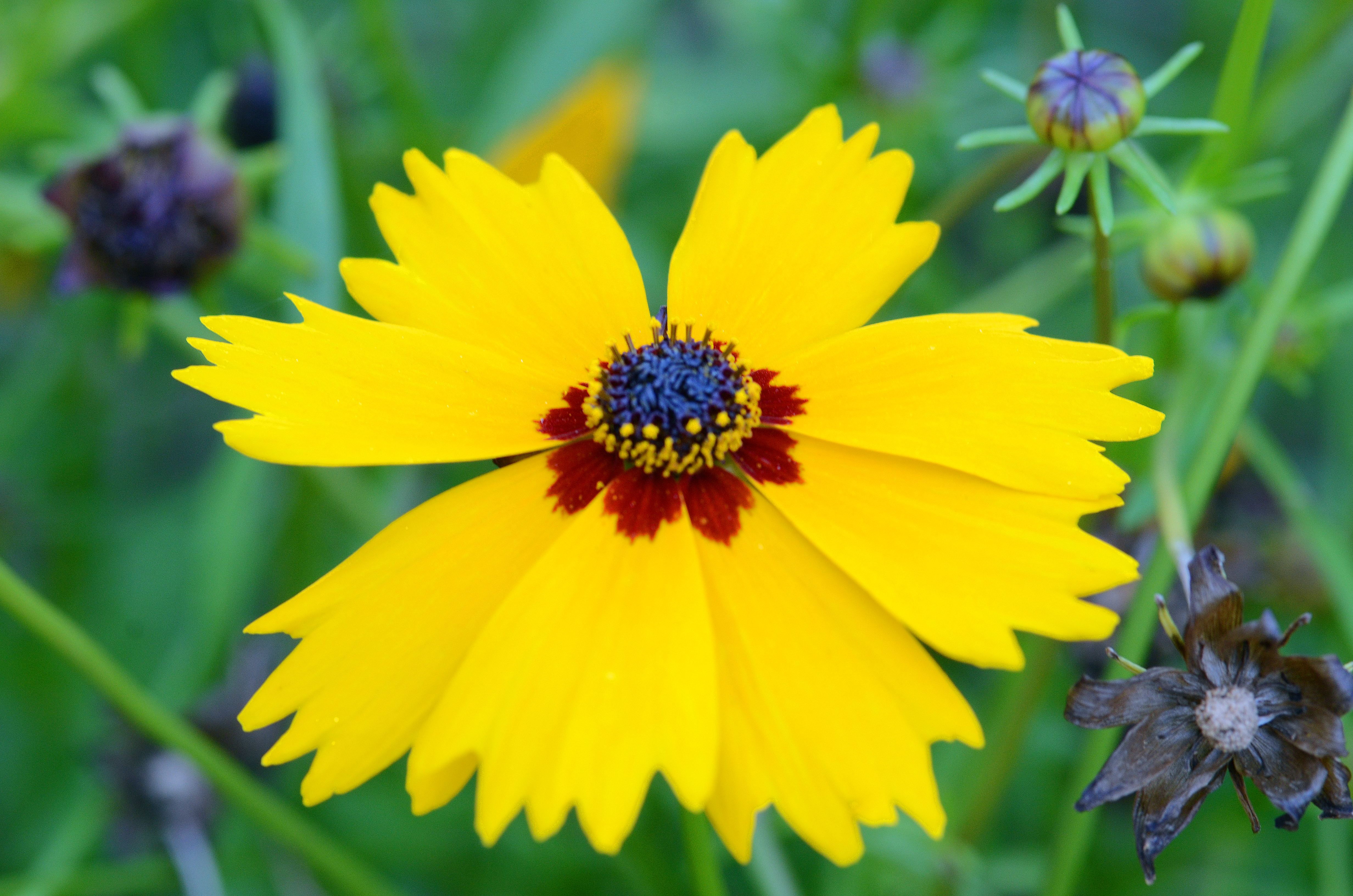
Amada44, CC BY-SA 3.0, via Wikimedia Commons

Why Coreopsis Is One of the Smartest Flowers a Beginner Can Plant
Some flowers demand constant attention, but Coreopsis rewards gardeners with color and charm while asking for very little in return. Known for cheerful daisy-like blooms and a long flowering season, this plant has become a favorite in home landscapes across the country. Its bright petals bring energy to beds, borders, and containers from late spring well into summer, and often beyond with light maintenance.
Go directly to the Care and Instructions section by clicking here.
Beginners especially appreciate Coreopsis because it is forgiving, adaptable, and dependable. It handles heat well, attracts butterflies, and can thrive in average soils where fussier plants struggle. If you want a flower that looks happy almost every day of the growing season, Coreopsis deserves a place near the top of your planting list.
Meet the Flower That Keeps Coming Back for More
Coreopsis, often called tickseed, includes both annual and perennial species with open-faced flowers in yellow, gold, orange, pink, red, and bicolor shades. Most varieties bloom heavily and continuously, especially when faded flowers are removed. The blossoms sway lightly above neat foliage, adding movement and softness to sunny spaces.
There is also impressive variety within the group. Threadleaf Coreopsis offers fine ferny foliage and airy flowers, while Lanceleaf Coreopsis has bold golden blooms and rugged durability. Cultivars such as ‘Moonbeam’ bring softer tones and refined texture, making them useful in elegant borders as well as casual cottage gardens.
This range of styles means almost any gardener can find a Coreopsis that fits their taste and landscape size.
Where to Plant Coreopsis for Nonstop Color
Coreopsis performs best in full sun. At least six hours of direct light usually produces the heaviest flowering, stronger stems, and compact growth. In partial shade the plant may still survive, but blooms are often reduced and stems may lean or stretch.
Excellent planting locations include front borders, pollinator beds, mailbox gardens, meadow-style plantings, sidewalk edges, and containers. Because many varieties stay neat and rounded, they blend easily with other perennials and ornamental grasses.
Coreopsis is also useful in tough spots where other flowers disappoint. Sunny areas with average soil and reflected heat are often no problem once plants are established.
Soil, Planting, and the Secret to Stronger Growth
Many gardeners assume flowering plants need rich soil, but Coreopsis often prefers moderation. Well-drained soil is far more important than heavy fertility. Overly rich ground can create floppy stems and lots of leaves with fewer flowers.
Before planting, loosen compacted soil and mix in compost if drainage is poor. Clay soils benefit from organic matter, while sandy soils may need compost to help hold moisture during establishment.
Plant nursery-grown Coreopsis at the same depth it was growing in the pot. Space plants according to mature size so air can move freely around foliage. Grouping several plants together creates a brighter visual impact than scattering singles through the garden.
Watering, Feeding, and How to Keep Blooming Going
During the first growing season, water regularly so roots can establish deeply. Once settled in, many Coreopsis varieties become impressively drought tolerant and need only occasional help during prolonged dry spells. Deep watering is better than shallow daily sprinkling because it encourages stronger root systems.
Container-grown plants dry faster and should be monitored more closely, especially during midsummer heat. A pot in full sun can require frequent checks.
Fertilizer needs are minimal. A spring top-dressing of compost is often enough for garden beds. If growth appears weak, use a light balanced fertilizer once in spring. Too much fertilizer often reduces flowering quality, so restraint is usually the better strategy.
Coreopsis is one of those rare plants that often performs better when gardeners avoid over-managing it.
Deadheading, Pruning, and Common Problems Made Simple
Deadheading is one of the easiest ways to improve Coreopsis performance. Removing faded flowers encourages fresh buds and keeps plants looking clean. If blooming slows in midsummer, lightly shearing the plant back can trigger a renewed flush of flowers.
Pruning is otherwise minimal. Cut back leggy stems to maintain shape, and remove dead growth from perennial types in late fall or early spring. Older clumps may be divided every few years if flowering declines or centers thin out.
Most pest and disease issues are minor. Aphids, spider mites, slugs, and occasional mildew can appear, especially in crowded or damp conditions. Full sun, spacing, and good drainage prevent most problems before they start.
Climate Tips, Design Ideas, and Trusted Coreopsis Resources
Coreopsis grows successfully across much of the United States. It shines in the Midwest, Northeast, Mountain West, and many temperate regions where sunny summers support heavy bloom. Southern gardeners also enjoy success, especially when plants are given airflow and soils that drain well.
Design-wise, Coreopsis mixes beautifully with salvia, coneflower, black-eyed Susan, ornamental grasses, yarrow, and lavender. Yellow forms brighten cooler-toned plantings, while red and bicolor selections energize hot-color combinations. Use compact varieties near pathways and taller types deeper in borders.
If you like learning from dependable sources, several excellent references are worth exploring. The Missouri Botanical Garden offers trusted information on Threadleaf Coreopsis. University-backed guidance is also available through North Carolina State Extension.
The Royal Horticultural Society provides ornamental growing insight for gardeners worldwide. The University of Wisconsin article on Coreopsis is practical and clear, while Gardeners’ World shares beginner-friendly tips for home landscapes.
Coreopsis proves that easy plants can still be beautiful plants. Give it sunshine, decent drainage, and occasional trimming, and it can reward you with months of joyful color year after year.
Coreopsis Care and Instructions
When To Plant
Plant Coreopsis in spring after the danger of hard frost has passed, or in early fall where winters are moderate. Perennial varieties establish well in spring, while annual types can be direct sown once soil warms. Fall planting allows roots to settle before the next growing season in many climates. Avoid planting during extreme summer heat when young roots may struggle.
Planting and Location
Choose a location with full sun for best flowering and compact growth. Coreopsis tolerates light shade, but too little sun can reduce blooms and create floppy stems. Borders, pollinator gardens, cottage beds, containers, and meadow-style plantings are all excellent locations. Good airflow helps keep foliage healthy. Avoid crowded spaces or areas that remain constantly wet after rain.
Soil Preparation
Coreopsis prefers average to moderately fertile soil with excellent drainage. Heavy clay should be loosened with compost and organic matter before planting. Sandy soil is acceptable if watered during establishment. Avoid overly rich soil, which can lead to weak stems and excessive foliage. Neutral to slightly acidic soil works well for most varieties. Once established, many types tolerate poor soil conditions.
Planting Technique
Plant nursery-grown Coreopsis at the same depth it was growing in the container. Dig a hole slightly wider than the root ball, backfill gently, and water thoroughly. Space plants according to mature size for airflow and natural shape. Seeds may be scattered lightly and pressed into soil, then watered gently. Planting in groups creates a brighter visual impact.
Watering
Water regularly during the first growing season while roots establish. Once mature, many Coreopsis varieties are drought tolerant and need supplemental watering only during prolonged dry periods. Allow soil to dry slightly between waterings rather than keeping it constantly wet. Container-grown plants require more frequent checks. Deep watering encourages stronger roots and better heat tolerance.
Fertilizing
Coreopsis generally needs very little fertilizer. A spring top-dressing of compost is often enough for healthy growth and flowering. If plants appear weak, apply a light balanced fertilizer once in spring. Too much feeding can create lush foliage with fewer flowers. Container plants may benefit from diluted liquid fertilizer occasionally during bloom season. Simpler feeding usually works best.
Deadheading
Deadheading is one of the best ways to extend the bloom season. Remove faded flowers regularly to encourage new buds and keep plants tidy. If flowering slows in midsummer, lightly shear the plant back by several inches to stimulate fresh growth and renewed blooms. Some seed heads may be left later in the season for birds or reseeding.
Pruning
Pruning is simple and usually limited to shaping and cleanup. Trim leggy stems during summer to keep plants compact and attractive. After the main bloom flush, shear lightly for a refreshed appearance and possible reblooming. In late fall or early spring, remove old dead stems from perennial types. Divide crowded clumps every few years if flowering declines.
Pest and Disease Maintenance
Coreopsis is generally low-maintenance but may occasionally attract aphids, spider mites, slugs, or leaf spot. Powdery mildew and crown rot are more likely in damp crowded conditions. Provide full sun, good spacing, and well-drained soil to prevent most problems. Remove diseased foliage promptly. Healthy plants grown in suitable locations usually remain vigorous and dependable.
Climate Summary
Cool Climates: Excellent perennial performer with long bloom season in full sun.
Temperate Climates: Thrives in borders with average soil and regular deadheading.
Hot and Dry Climates: Performs well with irrigation and good drainage.
Humid and Subtropical Climates: Use airflow and avoid soggy soil for best results.
Summary
Coreopsis is one of the easiest flowers for beginners, offering bright blooms, pollinator value, and months of color in sunny gardens. Give it full sun and well-drained soil for best results. As a similar plant, consider Gaillardia, another cheerful drought-tolerant bloomer with long-lasting summer flowers.