A Vibrant Pop of Color for Your Garden: The Charismatic Coreopsis
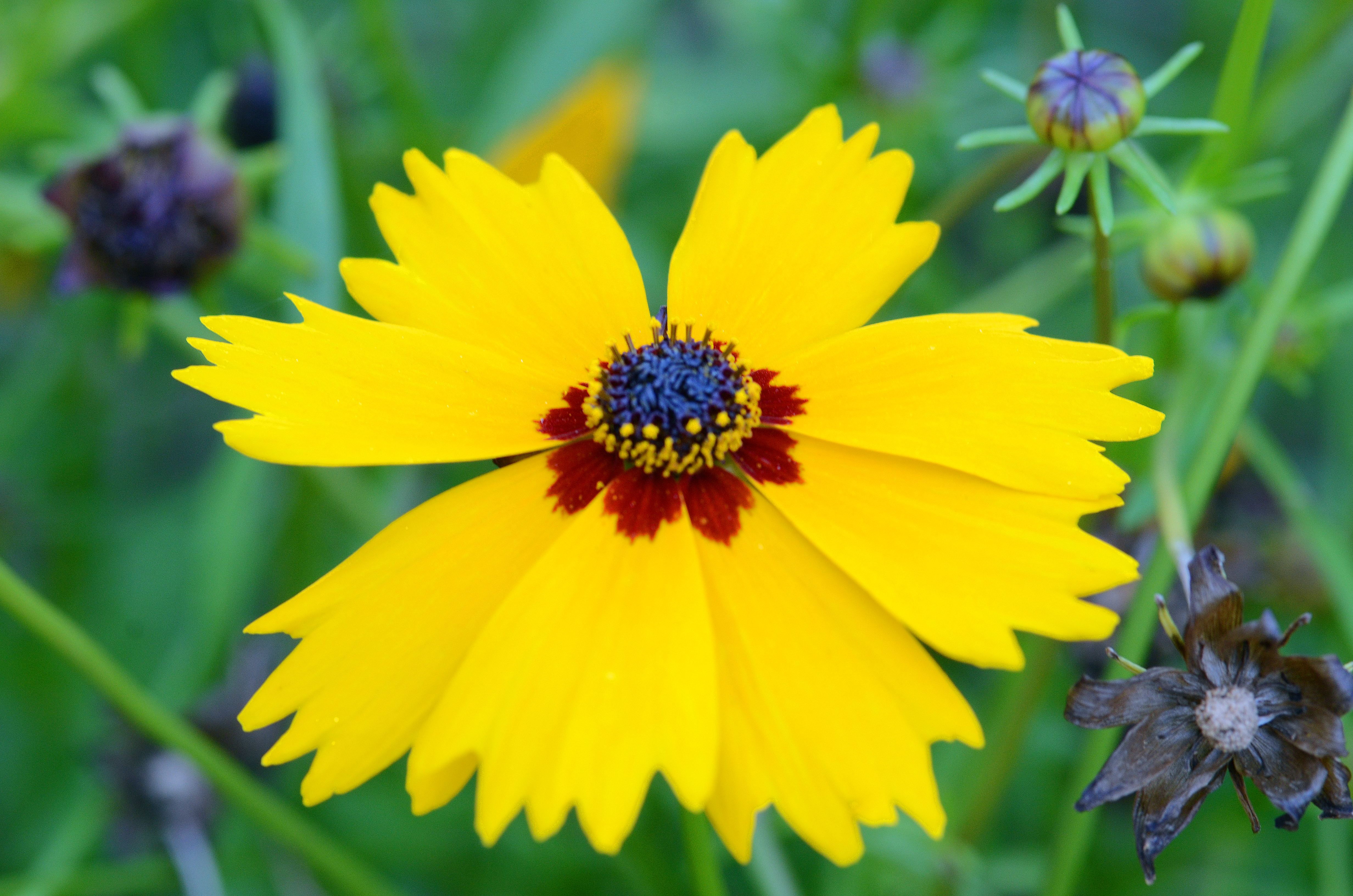
Amada44, CC BY-SA 3.0, via Wikimedia Commons

Get Acquainted with Your Garden's New Best Friend
Meet the Coreopsis - your garden's vibrant, low-maintenance superstar. This charming perennial known as Tickseed, dapples your garden with a carpet of daisy-like blossoms, exhibiting a fiery color palette from the heat of summer to the coolness of fall. Not only are these plants easy to care for, but they also possess a drought-tolerant spirit and attract pollinators like bees and butterflies, adding a lively buzz to your green space. The key to growing Coreopsis successfully lies in its love for well-drained soil and abundant sunshine.
Every Tickseed Has Its Tale: Discovering Coreopsis Varieties
In the world of Coreopsis, the variety is simply astounding. The Coreopsis Grandiflora or 'Early Sunrise' is a gardener's classic, flaunting double, golden-yellow flowers that burst into bloom from late spring to late summer, reaching a height of 1-2 feet. Then there's the Coreopsis Verticillata or 'Moonbeam', with its delicate, feathery foliage and pale yellow, star-shaped flowers that remain hardy in the most challenging conditions and can reach 1-1.5 feet in height.
If you are seeking a taller specimen, the Coreopsis Lanceolata, or 'Lanceleaf Coreopsis', could be your choice. With its bright yellow, sunny blooms standing proudly atop slender, lance-shaped leaves, this variety is both hardy and drought-tolerant, reaching 2-3 feet in height. Finally, for those who prefer their garden embellishments closer to the ground, the Coreopsis Auriculata or 'Nana Mouse-ear Tickseed' is a low-growing variety that features vibrant, orange-yellow flowers and doubles up as an attractive border or ground cover.
The Green Thumb Diaries: Planting and Caring for Your Coreopsis
Once you've decided to introduce the Coreopsis to your garden, the next step involves some critical decisions about planting and care. This sun-loving plant prefers to make its debut in your garden either in early spring or early fall, allowing it enough time to establish its roots before the summer heat or winter frost kick in. While choosing a location for your Coreopsis, remember that it thrives in full sun but will tolerate partial shade. A spot that enjoys at least 6-8 hours of sunshine would be ideal.
The soil beneath your Coreopsis should be well-drained with moderate fertility. Despite its tolerance for poor soils, including sandy or rocky terrain, waterlogged conditions are a strict no-no for this plant. When you're ready to plant, dig a hole twice the size of the root ball, place the plant in the hole, and cover it with soil. Ensure the plants are spaced 12-18 inches apart to ensure good air circulation.
Maintaining the Blooming Marvel: Watering, Fertilizing, and Beyond
Watering your Coreopsis involves a bit of a balancing act. While regular watering is necessary, you must be careful not to overwater. The soil should be slightly dry before the next watering. Once established, Coreopsis exhibits a tolerant attitude towards drought. When it comes to fertilization, this plant doesn't demand much. However, a light application of a balanced fertilizer in the spring can give it a growth boost.
Maintaining the aesthetic appeal of your Coreopsis involves some deadheading - removing spent flowers to promote continuous blooming throughout the season. As summer wanes, you can cut back your Coreopsis plants by about one-third to encourage a fall bloom and keep the plant looking tidy. Despite its generally pest-free nature, it's good to keep an eye out for signs of fungal diseases, particularly in wet, humid conditions. Should you spot any, prompt treatment with a fungicide should do the trick.
Tailoring Your Care to the Climate
No matter what climate you find yourself gardening in, the Coreopsis is likely to be a reliable companion. In arid or desert climates, the plant's drought-tolerant nature comes to the fore, although you might need to water it a little more frequently due to quicker evaporation. In tropical climates, while the plant can handle the heat, you need to ensure adequate drainage to prevent root rot due to the humidity.
Temperate climates present ideal conditions for the Coreopsis to thrive, provided it gets enough sunlight. Even in colder climates, some winter mulching can help protect the plant from extreme conditions. Thus, the Coreopsis lends itself to a wide range of climates, each requiring a unique but manageable set of care instructions.
To take your gardening journey with Coreopsis a step further, various resources offer a wealth of information. 'The Spruce' features an in-depth Coreopsis Plant Profile. The Missouri Botanical Garden offers invaluable insights on Coreopsis. 'Garden Design' shares some aesthetic tips on incorporating Coreopsis Flowers into your green spaces. 'Gardenia' provides a handy Coreopsis Guide for growers. Lastly, 'Plantopedia' details how to Grow and Care for Coreopsis. These resources can prove to be your trusted companions on your Coreopsis gardening journey.
So, there you have it - a comprehensive guide to adopting and caring for your Coreopsis plant. This versatile, vibrant perennial could be the burst of color and life that your garden needs. So, why wait? Let's get planting and let your garden tell its own unique Tickseed Tale!
Coreopsis Care and Instructions
When To Plant
Start planting Coreopsis in early spring or early fall. This timing allows the plant to establish its roots before the summer heat or winter frost set in.
Location
Choose a location for your Coreopsis that enjoys full sun but can tolerate partial shade. A spot that gets at least 6-8 hours of sunshine daily would be ideal.
Soil Preparation
Ensure your soil is well-drained and moderately fertile. Despite Coreopsis's tolerance for poor soils, it doesn’t do well in waterlogged conditions.
Planting Technique
When you're ready to plant, dig a hole twice the size of the root ball, place the plant in it, then cover it with soil. Space your plants 12-18 inches apart to promote good air circulation.
Watering
Water your Coreopsis regularly but ensure the soil is slightly dry before the next watering. Overwatering can cause harm, and once established, Coreopsis is drought tolerant.
Fertilizing
Coreopsis doesn't demand much in terms of fertilization, but a light application of a balanced fertilizer in spring can promote growth.
Deadheading and Pruning
Deadheading, or removing spent flowers, is important for Coreopsis to promote continuous blooming throughout the season. In late summer, cut back your Coreopsis plants by about one-third to encourage a fall bloom.
Pest and Disease Maintenance
Watch for signs of fungal diseases, particularly in wet, humid conditions. Should you spot any, prompt treatment with a fungicide can prevent further damage.
Climate Summary
Arid/Desert Climates: Water more frequently due to quicker evaporation.
Tropical Climates: Ensure adequate drainage to prevent root rot due to humidity.
Temperate Climates: Provide at least 6-8 hours of sunlight daily.
Colder Climates: Winter mulching can protect the plant from extreme conditions.
Summary
Coreopsis is an easy-to-grow perennial that's perfect for beginner gardeners. It offers vibrant colors, is low maintenance, and attracts pollinators. For similar effects, consider planting Echinacea, another robust and colorful perennial.