Celosia Beginner’s Guide: How to Grow Bold Summer Color That Lasts
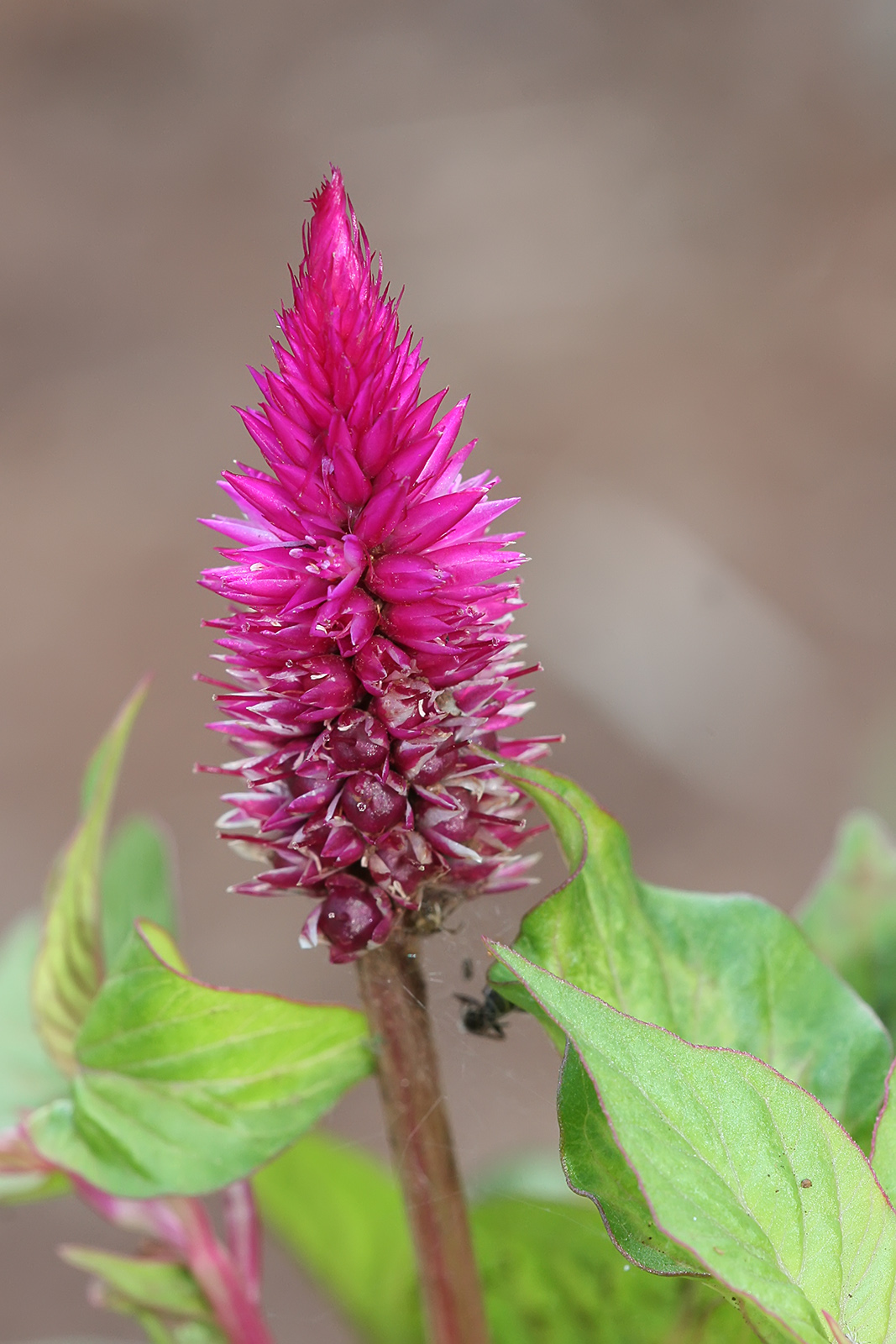
Muhammad Mahdi Karim, GFDL 1.2, via Wikimedia Commons

Why Celosia Is One of the Most Underrated Garden Flowers
If you want a flower that instantly grabs attention, Celosia deserves a place near the top of your list. With blooms that can look feathery, flame-like, spiked, or velvety and crested, Celosia brings shapes and textures that few annual flowers can match. It also arrives in rich shades of red, orange, yellow, pink, and purple, making it a natural fit for high-energy summer displays. For beginner gardeners, it offers dramatic results without a difficult care routine.
Go directly to the Care and Instructions section by clicking here.
Celosia is especially valuable because it thrives in summer heat. While some flowers slow down when temperatures rise, Celosia often continues blooming with confidence. It works beautifully in flower beds, borders, patio containers, cutting gardens, and mixed seasonal displays. If you want long-lasting color during the hottest part of the year, Celosia is a smart choice.
The Secret to Great Celosia Starts With Warmth and Sunshine
Celosia is a tropical-style annual that loves warm weather. Unlike cool-season flowers that enjoy early spring planting, Celosia prefers to wait until frost danger has passed and soil has warmed. Planting too early often leads to slow growth or stress. Waiting for consistent warmth usually leads to much faster success.
Sunlight is just as important. Celosia performs best with at least six hours of direct sun each day, and more light often means stronger stems and heavier flowering. In too much shade, plants may stretch and bloom less freely. A bright sunny location gives Celosia the energy it needs to become the standout plant it was meant to be.
Where Celosia Looks Best in the Landscape
Celosia is one of the easiest flowers to design with because it offers so many forms. Compact plumed varieties are excellent in front borders, edging, and colorful bedding displays. Taller spike types add vertical movement among lower annuals and perennials. Crested Cockscomb forms become conversation pieces wherever they are planted.
Containers are another natural home for Celosia. Patio pots, porch planters, and decorative mixed containers all benefit from its bright color and upright habit. Because flowers last so well, displays often stay attractive for long stretches without constant replacement. If you want containers that look vivid in midsummer, Celosia is an excellent tool.
How to Plant Celosia for Fast Growth and Heavy Blooms
Most gardeners begin with nursery transplants once spring weather has fully warmed. Set plants at the same depth they were growing in their containers and water thoroughly after planting. Spacing depends on the variety, but many forms perform well when planted eight to fourteen inches apart. Giving plants enough room improves airflow and helps stems stay sturdy.
If growing from seed, Celosia can be started indoors six to eight weeks before the last frost or sown outdoors after warm weather arrives. Seeds germinate more reliably in warmth than in cool soil. Because young stems can be tender, handle seedlings carefully during transplanting. Once established, growth usually becomes steady and vigorous.
For the strongest performance, prepare beds ahead of time by removing weeds and loosening compacted soil. Celosia appreciates a good start, and healthy roots often determine how impressive the season-long display becomes.
Soil, Watering, and Feeding for Summer Success
Celosia prefers fertile but well-drained soil. It enjoys moderate moisture, yet roots should never remain waterlogged for long periods. Mixing compost into poor soil helps improve both structure and nutrient availability. In containers, use a quality potting mix that drains freely.
Water regularly while plants establish, then continue whenever the top layer of soil begins to dry. Deep watering is more effective than frequent light sprinkling because it encourages stronger root systems. Container-grown Celosia will usually need more frequent attention during hot spells. Morning watering is often the best habit because foliage dries quickly afterward.
Feeding helps Celosia maintain bright color and sturdy growth. A balanced slow-release fertilizer at planting or a diluted liquid fertilizer every few weeks works well for many gardeners. Avoid excessive nitrogen, which can create lush foliage at the expense of blooms. Balanced nutrition keeps the flower show front and center.
Deadheading, Pruning, and Keeping Plants Fresh
One of Celosia’s biggest advantages is how long the flowers last. Blooms often remain attractive much longer than many common annuals, so deadheading is not constantly required. When flowers finally fade, cutting stems back to healthy leaves or side shoots can encourage continued blooming on branching types. This also keeps plants looking tidy in visible garden spaces.
Light pruning can help if plants become leggy during the season. Trimming stretched stems often promotes fuller branching and a cleaner shape. Taller cutting varieties may need staking rather than pruning if summer storms or wind become a concern. Simple midseason grooming often keeps Celosia looking premium well into late summer.
Many gardeners also cut blooms for fresh arrangements or dry them for indoor use. This adds even more value to an already versatile plant.
Popular Celosia Types Worth Growing
Plumed Celosia is one of the most familiar forms, producing upright feathery blooms in bright summer colors. It is ideal for mass planting and beginner-friendly seasonal displays. Cockscomb types offer velvety crested flowers that look almost sculptural, making them perfect focal points in beds or containers.
Wheat Celosia adds a more graceful look with upright narrow spikes that pair beautifully with ornamental grasses and mixed borders. Dragon’s Breath is especially popular for bold red foliage and intense seasonal color in landscape beds. Fresh Look varieties are known for dependable growth and long-lasting plumes. With so many styles available, there is a Celosia for nearly every garden taste.
Why Celosia Is a Smart Pick for Beginner Gardeners
Celosia combines easy care, heat tolerance, long-lasting blooms, and unforgettable appearance in one plant. It can brighten front beds, energize patio containers, supply cut flowers, and hold up during the warmest part of summer. For beginners, it offers confidence-building results. For experienced gardeners, it adds texture and color that other flowers simply cannot duplicate.
If you enjoy learning more before planting, several trusted resources provide excellent Celosia-specific guidance. The Missouri Botanical Garden Plant Finder offers dependable plant details and landscape uses. The Royal Horticultural Society shares practical growing advice and care tips. Gardeners seeking approachable seasonal help can visit The Old Farmer’s Almanac, while the University of Florida IFAS Extension provides production and care insight. For modern varieties and design inspiration, Proven Winners is another strong resource.
If you want a flower that looks bold, handles heat, and keeps performing deep into summer, Celosia is an easy yes. Give it sunshine, warmth, and steady care, then enjoy one of the most eye-catching annuals in the garden.
Celosia Care and Instructions
Planting and Location
Plant Celosia outdoors after all danger of frost has passed and soil has warmed thoroughly. Choose a sunny location with at least six hours of direct sunlight daily. Celosia performs best in warm open sites with good airflow. Beds, borders, patio containers, cutting gardens, and colorful mass plantings are all excellent choices for this heat-loving annual.
Soil Preparation
Prepare soil so it is loose, fertile, and well-draining. Celosia appreciates moderate fertility and consistent moisture but should never sit in soggy ground. Mix compost into poor soils to improve structure and nutrients. Remove weeds and loosen compacted areas before planting. For containers, use a quality potting mix with reliable drainage.
Planting Technique
Plant nursery transplants at the same depth they were growing in their pots. Space plants about 8 to 14 inches apart depending on variety size and desired fullness. Water thoroughly after planting to settle soil and reduce transplant stress. If sowing seed outdoors, plant shallowly after weather warms and keep soil lightly moist until germination.
Watering
Water regularly during establishment so roots develop strongly. Once growing well, Celosia prefers even moisture but tolerates short dry periods better than many annuals. Water deeply when the top layer of soil begins to dry. Containers require more frequent checks during summer heat. Avoid constantly wet soil, which can lead to root problems.
Fertilizing
Celosia benefits from moderate feeding during the growing season. Apply a balanced slow-release fertilizer at planting or use a diluted liquid fertilizer every two to three weeks. Container plants may need more frequent feeding because nutrients wash out faster. Avoid excessive nitrogen, which can encourage foliage growth instead of strong colorful blooms.
Deadheading and Pruning
Remove faded blooms to keep plants tidy and encourage continued flowering, especially on branching varieties. Cut stems back to healthy leaves or side shoots. Because blooms last well, deadheading is needed less often than with some annuals. Pinching young plants early may encourage fuller branching, while light midsummer trimming can refresh shape.
Pest and Disease Maintenance
Watch for aphids, spider mites, whiteflies, and occasional chewing insects. Good airflow and proper spacing help prevent fungal issues such as mildew or leaf spots. Avoid overhead watering late in the day. Remove damaged foliage promptly and keep planting areas clean. Healthy plants in sunny warm conditions usually perform with few serious problems.
Climate Summary
Cool Climates: Plant after late frost. Warm summer weather supports excellent blooming until fall.
Temperate Climates: Thrives in sunny gardens with regular watering and moderate feeding.
Hot and Dry Climates: Provide steady irrigation and some afternoon relief in extreme heat.
Humid and Subtropical Climates: Excellent performer with airflow, drainage, and sensible watering.
Summary
Celosia is a bold, beginner-friendly annual that thrives in warm sunny gardens and produces unusual long-lasting blooms through summer. Give it warmth, sun, and moderate moisture for best results. As a similar plant, consider Gomphrena, another heat-loving flower valued for colorful blooms and excellent drying qualities.